Game Shows




























Casino Game Shows in New Zealand
Scroll through any live casino lobby and those colourful game shows jump out. They blend TV-style energy with real-time casino play, led by hosts who keep the pace brisk and the chat lively.
Born from classic television formats and refined for streaming, these shows run on wheels, cards, or dice, often with multipliers and short bonus rounds to raise the stakes. HD video and low-latency feeds make the action feel immediate on mobile or desktop.
In New Zealand, the draw is the social vibe and familiar presentation that make joining a round feel effortless. This guide breaks down how the formats work and spotlights the titles Kiwi players see most often.
Types of Casino Game Shows
Casino game shows come in several formats, each built around different mechanics and presentation styles.
Wheel-Based Shows
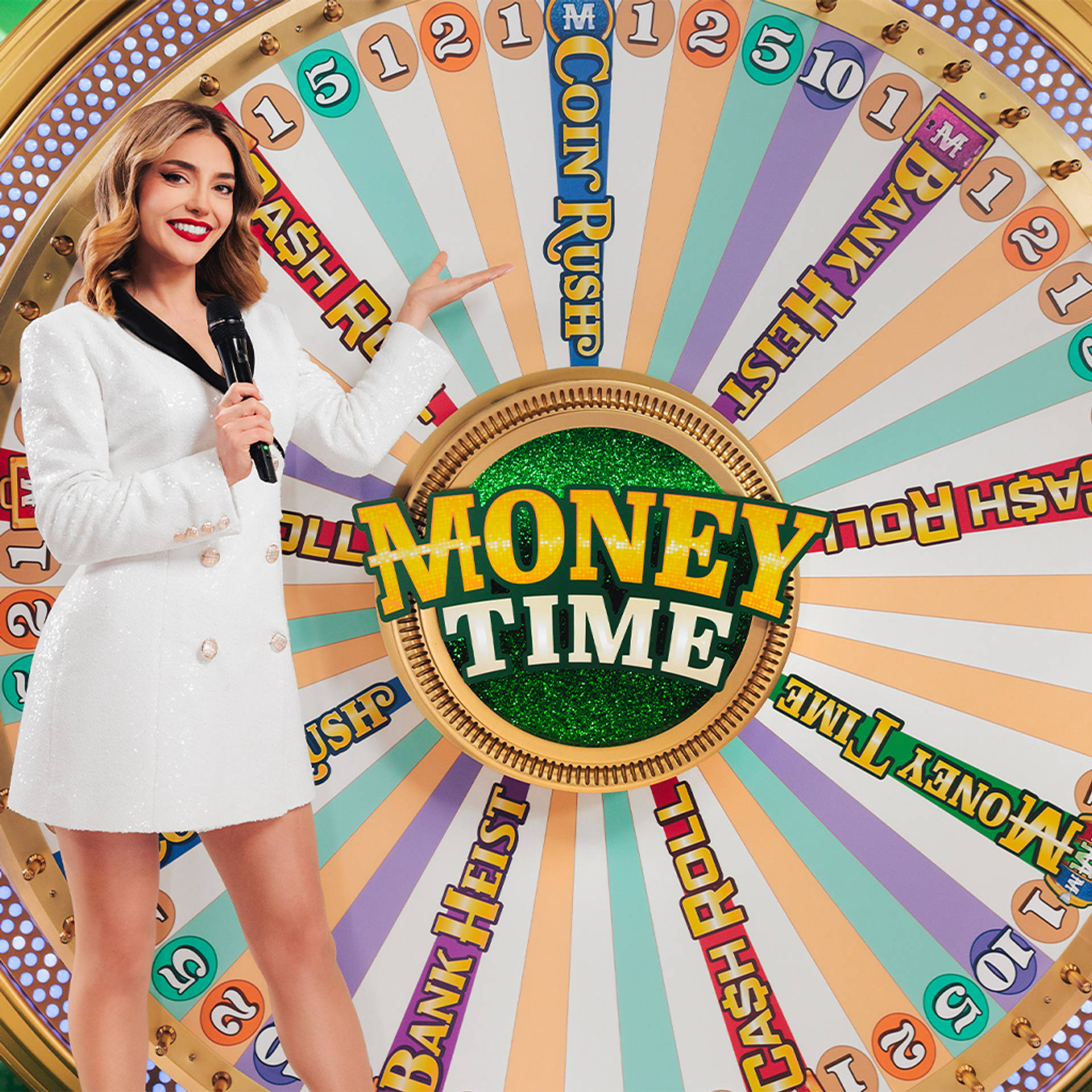
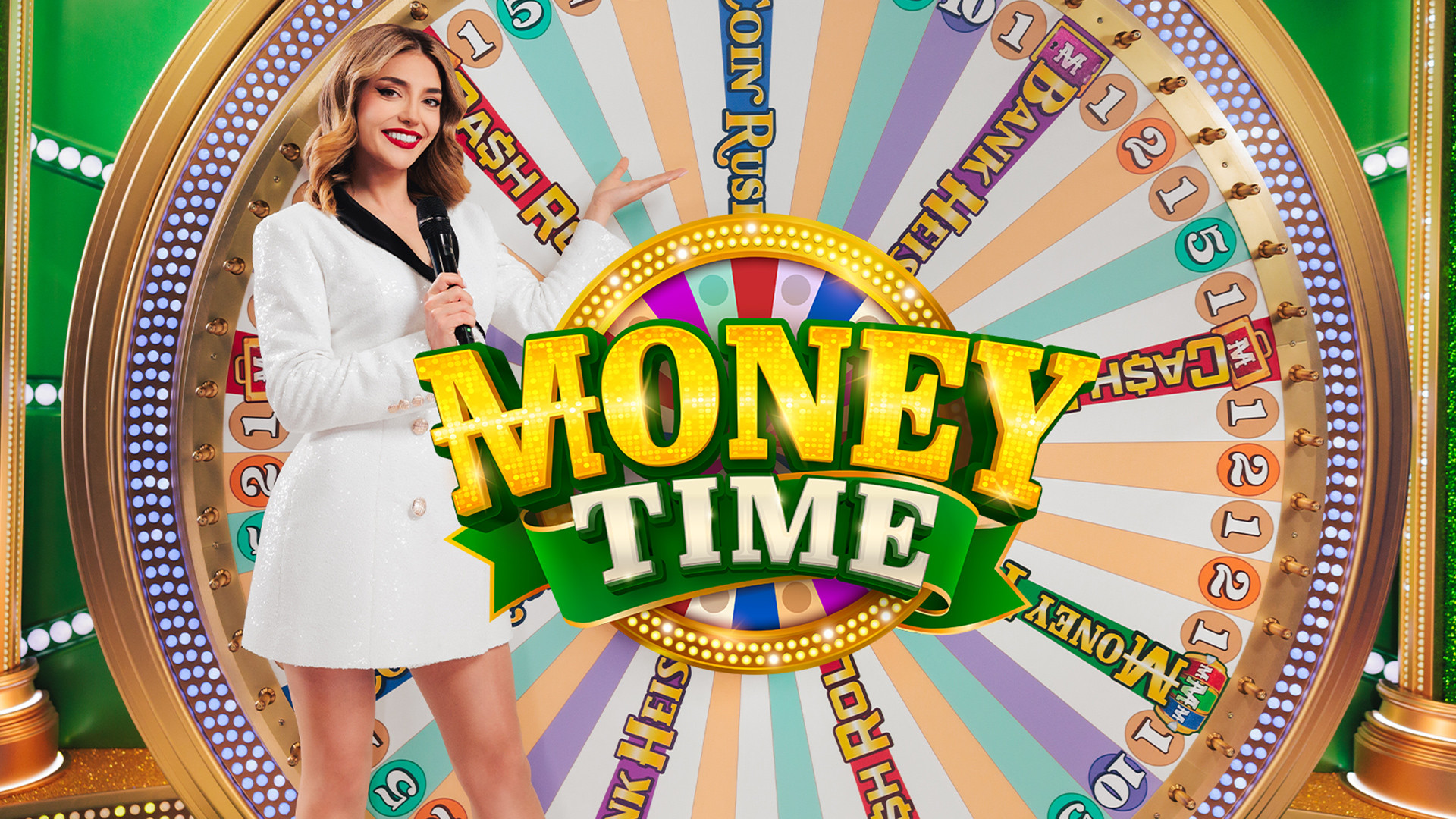
These games centre on oversized wheels divided into numbered and feature sections, with a pointer deciding the outcome once spun by the host. Numbers usually provide direct returns that match their face value, while marked sections can unlock extra features. Titles like Dream Catcher and Crazy Time follow this format but apply different themes and mechanics.
Card-Based Game Shows
This category adapts traditional card games into an interactive, live format with faster pacing than conventional versions. The core rules remain familiar, but extra features like multipliers and side bets create a distinct style. Presentation is managed like a studio production rather than a conventional hand-by-hand game.
Dice-Based Game Shows
These formats are built around dice rolls, with outcomes used to determine movement, returns, or bonus triggers. The roll is revealed either by a live host or through a mechanical device, and each result directly shapes the round’s progression.
Monopoly Big Baller is a clear example. The game blends a bingo-style draw with a dice-based bonus, where Mr Monopoly advances across a 3D board according to the results of each roll.
Board Game-Inspired Shows
These shows take well-known board games and reshape them into live casino formats. Outcomes are driven by mechanics like wheels, dice, or card draws, with results used to move pieces around themed boards.
The progression across the board determines returns, with different spaces triggering distinct features. Examples include Monopoly Live and Snakes & Ladders Live.
Slot-Inspired Shows
These productions adapt the mechanics and style of slot machines into a live studio setting. Outcomes are usually represented on a large wheel or interactive set, with a host guiding the round as it unfolds in real time.
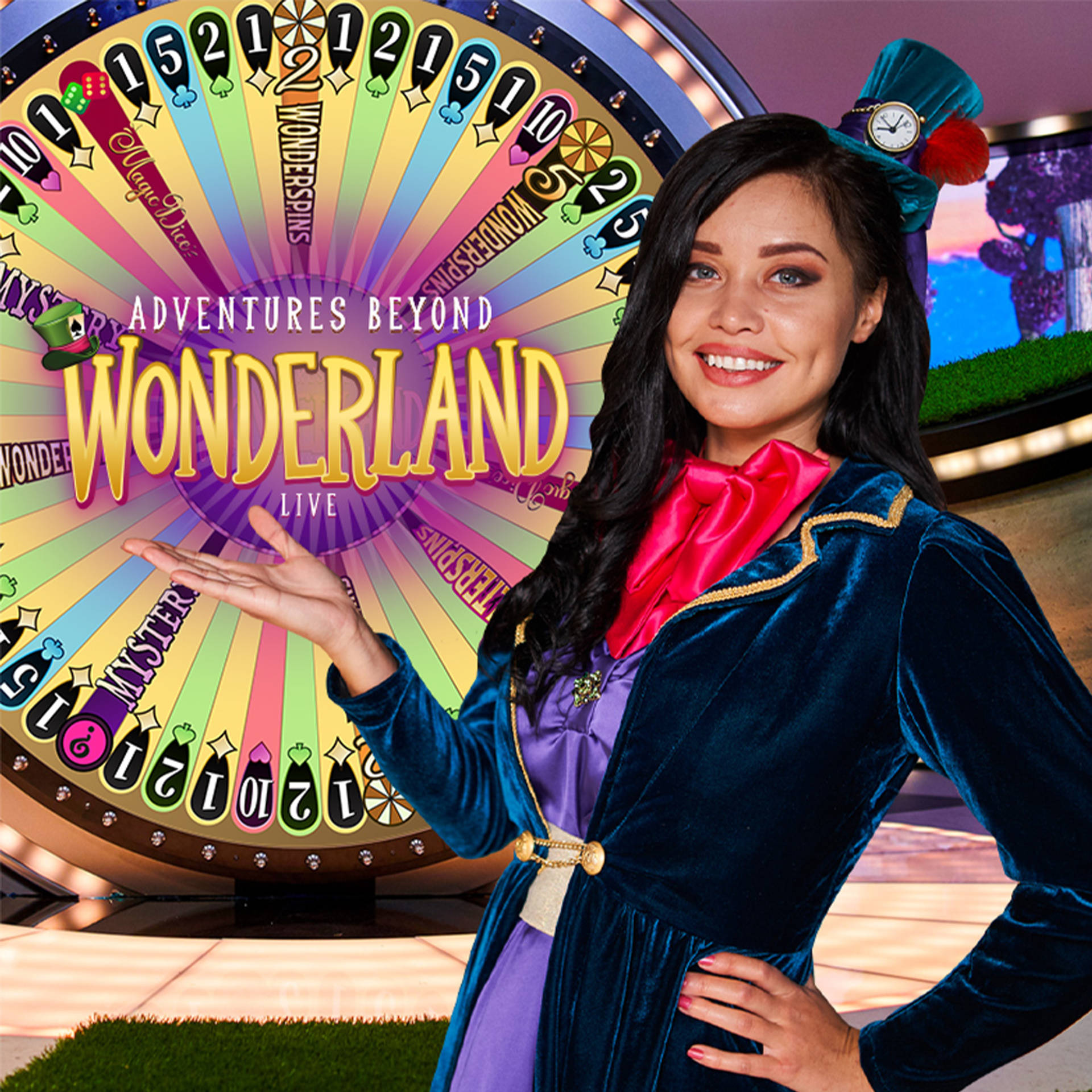
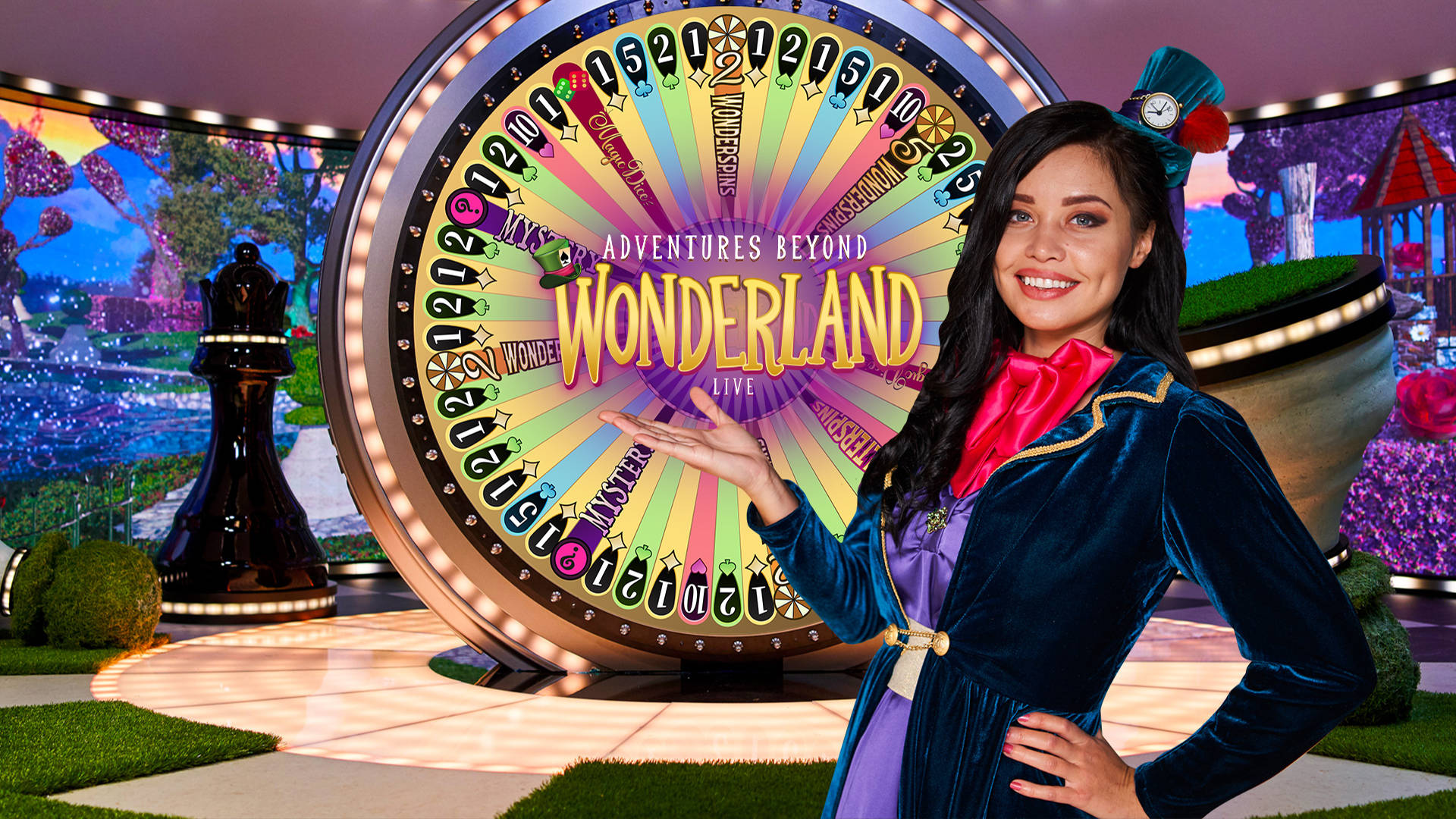
Adventures Beyond Wonderland demonstrates this approach by turning a fairy-tale-themed slot into a wheel-based format with characters and augmented reality effects. Sweet Bonanza CandyLand applies a similar method, using a candy-themed wheel with numbered segments and dedicated bonus rounds.
How Live Casino Game Shows Work
While gameplay varies between categories, several core elements remain consistent across all casino game shows.
The Role of the Game Host
Hosts act as the central figures who manage live casino game shows from professional studios. They spin wheels, draw cards, roll dice, and guide each round while maintaining a steady flow of interaction.
Their responsibilities include explaining rules and announcing results, among other duties essential to keeping the show on track. Shifts are organised to keep shows running around the clock, and training covers game rules and presentation skills.
Many hosts are multilingual to serve global audiences and often work with prepared scripts. Their role is to keep the presentation engaging while adhering to the strict procedures required by gambling regulators.
Studio Technology and Game Mechanics
Live casino game shows are produced in studios that combine broadcast-ready technology with the specialist equipment required to run games in real time. Physical elements including spinning wheels, dice shakers, card shufflers, and large display screens form the core of the setup.
Multiple high-definition cameras capture different angles of the action, switching views automatically or under director control. Audio systems record host commentary and in-game sounds while filtering background noise. All equipment is tested regularly and certified to meet industry standards for fairness and accuracy.
Live Streaming & RNG Integration
Studios use live streaming to transmit video and audio with only a short delay, usually within a few seconds. This near real-time link enables interaction between the host and the audience during each round.
Random Number Generation (RNG) works alongside the physical game elements to secure outcomes that cannot be predicted or influenced. Some formats rely entirely on physical randomness, like spinning wheels, while others combine these elements with RNG for bonus features or multiplier selection. Independent testing and certification ensure all RNG systems meet required standards of fairness.
Bet Placement & Interface Design
The interface provides clear windows of around 10-15 seconds for wagers to be placed before a round begins. Options, limits, balance details, and available outcomes are displayed on screen, with controls kept simple for selecting single or multiple results.
Once the window closes, the system blocks any further changes. The same system then records all wagers and updates balances as soon as each round ends, with returns calculated instantly in the process.
Top 5 Casino Game Shows Popular in New Zealand
Below are some of the most prominent live game shows in New Zealand, noted for their visibility and popularity.
Crazy Time
Developed by Evolution Gaming, Crazy Time is one of the most well-known game shows produced by the studio. The format uses a 54-segment wheel with numbered sections (1, 2, 5, 10) and four bonus rounds: Cash Hunt, Coin Flip, Pachinko, and the Crazy Time feature. A distinctive element is the Top Slot feature, a two-reel slot that can assign multipliers between 2x and 50x before every spin.
The bonus rounds form the core of Crazy Time’s appeal, each introducing different risk levels and interactive elements. Cash Hunt involves selecting a hidden multiplier from a wall of symbols, Coin Flip relies on a two-sided outcome with variable multipliers, Pachinko uses a puck drop into multiplier slots, and the Crazy Time round opens a second wheel with expanded returns.
Monopoly Live
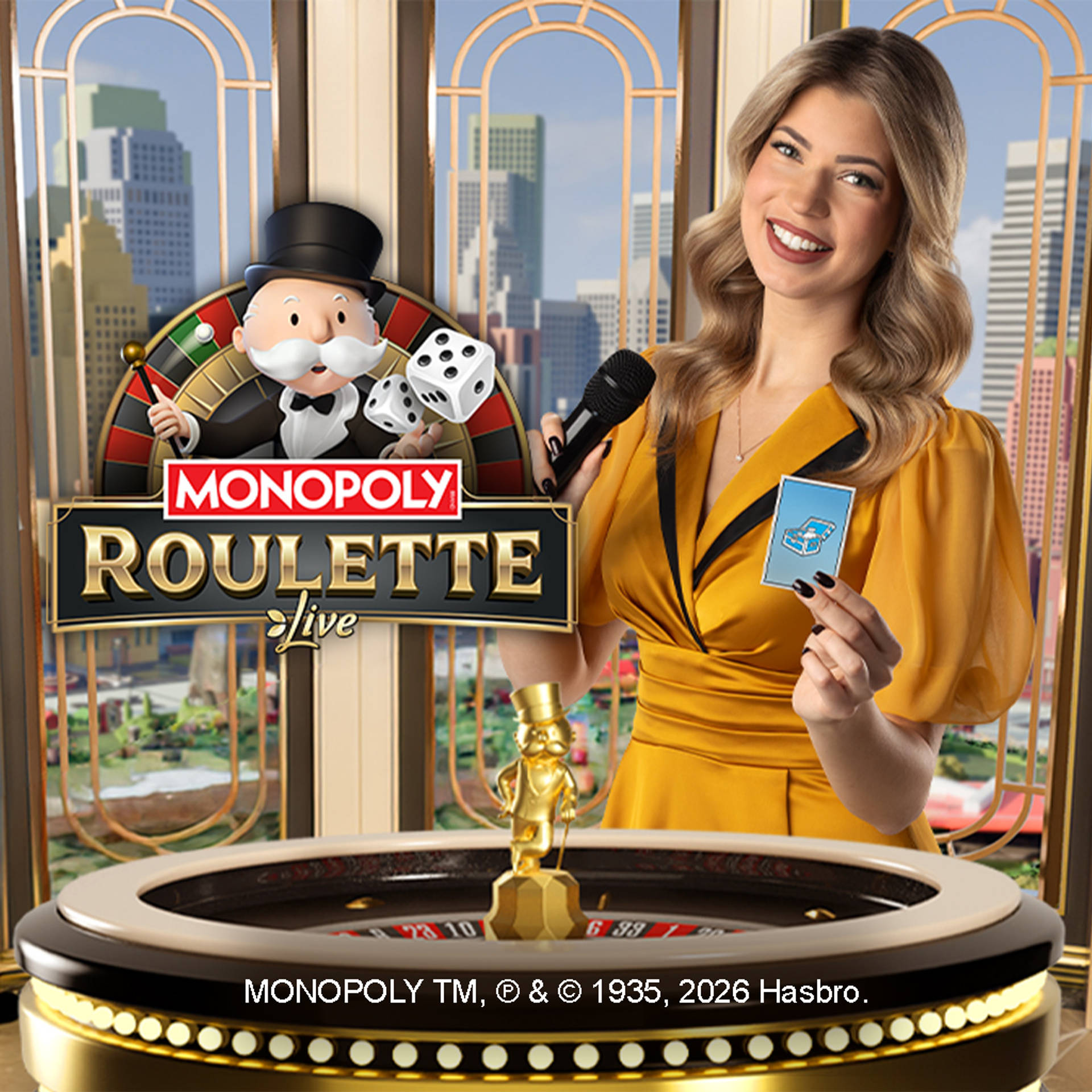
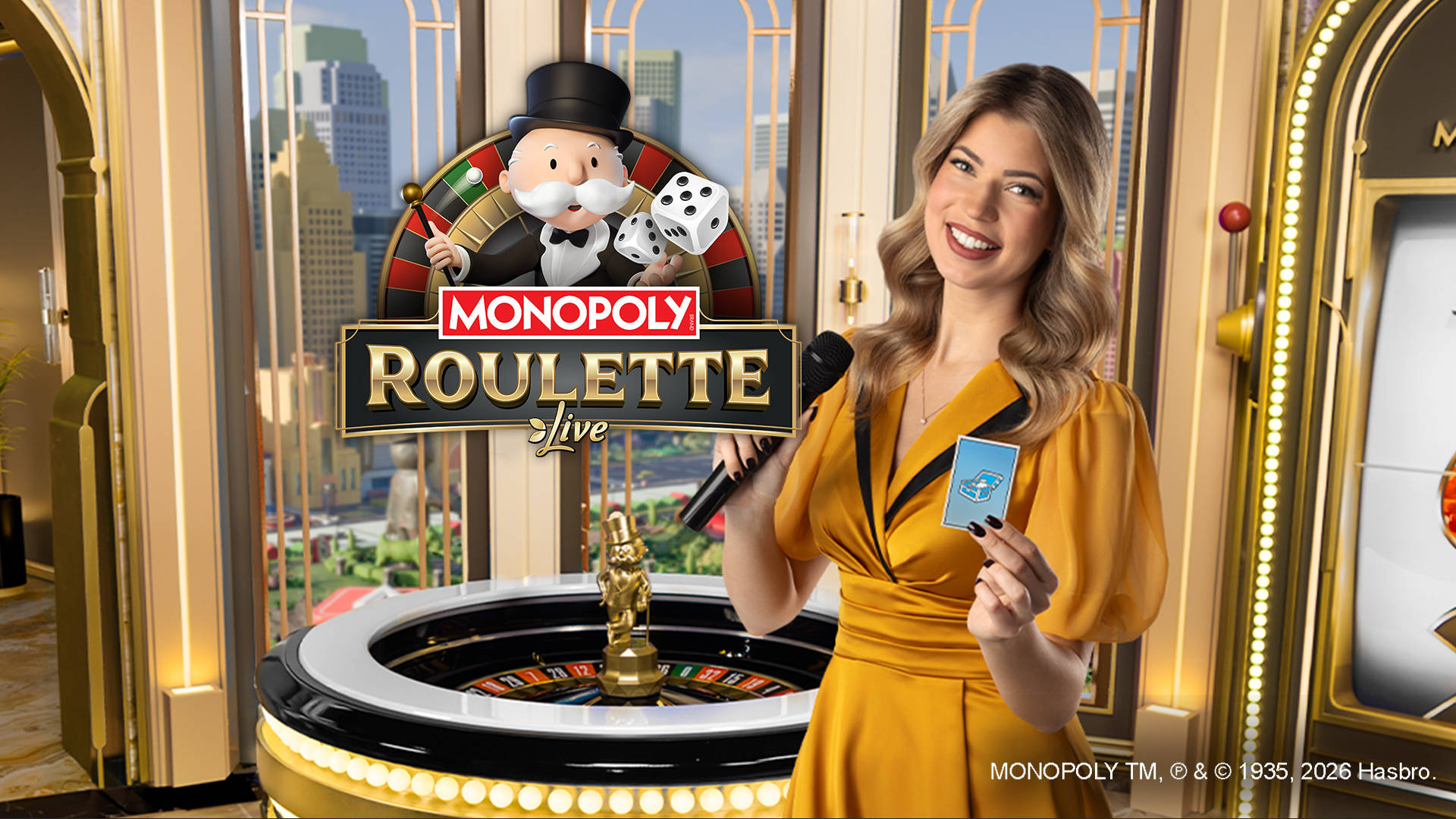
Also developed by Evolution Gaming, this title merges a wheel-based format with the Monopoly board game through augmented reality technology. The 54-segment wheel includes numbered sections (1, 2, 5, 10) that provide corresponding multiplier returns, along with two bonus options offering either 2 or 4 dice rolls around the board. The maximum returns can reach up to 10,000x.
Hitting a bonus activates a 3D Monopoly board where dice decide Mr Monopoly’s movement, with properties and utilities carrying multipliers. There are also Chance cards that may boost returns with instant prizes or multipliers applied to the next spin.
The bonus mechanics follow traditional Monopoly rules. Doubles provide extra rolls, and completing a full circuit doubles all property values. Landing on tax squares or jail can also reduce winnings or halt progress entirely.
Sweet Bonanza CandyLand
Pragmatic Play Live developed Sweet Bonanza CandyLand as a live casino adaptation of their popular slot game, featuring a candy-themed environment filled with colourful sweets and fruity symbols. The graphics present a bright, cheerful studio setting with a large spinning wheel as the focal point. The background displays a candy wonderland aesthetic with lollipops, gumballs, candy canes, and other confectionery elements creating a playful visual atmosphere.
The wheel mainly contains numbers that return fixed amounts, but the variety comes from the bonus rounds. Sugar Bomb applies a random multiplier (up to 10x) to the next spin, with an optional Sugar Bomb Booster doubling that multiplier.
Candy Drop sends coloured candies through a maze where multipliers are collected. Sweet Spins opens a short round of slot-style play based on the original game, and Bubble Surprise either grants a multiplier or triggers one of the other bonuses.
Top Casino Game Show Providers in NZ
In New Zealand, casino game shows are offered by a range of established software providers:
Evolution Gaming
As one of the most established names in live casino game shows, Evolution is credited with creating the product category and expanding it with high-production titles. The company introduced the modern game show format with Dream Catcher in 2017, followed by releases like Crazy Time, Monopoly Live, and Lightning Storm.
Evolution’s productions feature professional studios, trained presenters, advanced streaming technology, and reliable cross-device compatibility that delivers high-quality video to desktop and mobile devices.
Playtech Live
Within the New Zealand market, Playtech Live holds a place of its own. The company focuses on cinematic presentation with elaborate set designs and theatrical elements that create movie-like productions.
The studio’s main game show series, Adventures Beyond Wonderland, features large-scale sets and storytelling, with bonus rounds that carry the action through different narratives. Playtech delivers games in multiple languages and currencies, with schedules designed to serve audiences worldwide.
Pragmatic Play
Founded in 2015, Pragmatic Play Live initially focused on slot game development before expanding into live casino offerings. The company’s live studio operations are based in Bucharest, Romania, and are licensed to meet international standards.
Although relatively new compared to Evolution and Playtech, Pragmatic Play Live has grown quickly due to its rapid release schedule and partnerships with major casino platforms. The provider focuses on bright visuals, easy-to-follow gameplay, mobile-first design, multi-camera formats, and full HD streaming.
StakeLogic
Founded in 2014, StakeLogic expanded into live casino products and game show formats in 2021 as demand for the category increased. Rather than mirroring larger providers, the company focuses on specialised themes and mechanics tailored to distinct audience preferences.
The developer’s game show titles often feature lower betting thresholds and simplified gameplay, making them accessible to newcomers. Production is built on cost-effective streaming solutions while maintaining recognised quality standards, giving operators an alternative to premium provider pricing structures.
Casino Game Shows vs Traditional Casino Games
Casino game shows, compared with classics like roulette, blackjack, baccarat, and sic bo, emphasise presentation and interaction. Traditional table games are built on fixed mathematical structures and consistent rules, while game shows introduce television-style elements, including professional hosts, themed studios, interactive chat features, and distinctive set designs that together create a more social environment.
As already established in earlier sections, host interaction is a defining feature in live casino productions. Added to this is the visibility of community reactions in real time. This gives the formats a communal quality in comparison with traditional games, where interaction is minimal despite multiple participants sharing the table.
Table games like roulette usually run in linear cycles, with each round completed rapidly before the next begins. Game shows instead build anticipation through wheels and countdowns, with bonus sequences extending the time between outcomes.
Both formats carry the same inherent risk and cannot guarantee consistent returns, but their differing structures shape how outcomes are experienced.
FAQs
What’s the best casino game show to start with?
Some game shows are recognised as easier introductions because of their simple structures and familiar themes. Crazy Time, Monopoly Live, Dream Catcher, Sweet Bonanza CandyLand, and Deal or No Deal Live, available at LeoVegas, are often highlighted as the go-to options.
Are there any low-stakes game shows for casual NZ players?
Yes. Many casino game shows offer low minimum stakes, making them accessible without requiring large wagers. Titles like Dream Catcher and Sweet Bonanza CandyLand are often available with smaller stake options.