The Psychology of Luck: Why Play Casino Games
The Psychology of Luck: Why Play Casino Games
Luck has always held a powerful grip on the imagination. In casino games, the concept takes centre stage as an unseen force turning routine spins or cards into moments charged with anticipation. Gamblers have sought games of chance for centuries, drawn by the emotional highs that uncertainty creates.
The sense that fortune could shift in an instant keeps individuals interested in the game as they strive to strike that delicate balance between control and chance. Here, we examine how psychology influences our perception of luck and why the allure of casino play extends far beyond the outcomes themselves.
Understanding the Concept of Luck
Belief in luck touches nearly every form of play, shaping the ways outcomes are interpreted and remembered. Let’s explore how psychology defines luck and why it continues to guide decision-making in games of chance.
What Is Luck in Human Psychology?
From a psychological perspective, luck represents how people perceive random events rather than the events themselves. This phenomenon reflects the human tendency to link outcomes to personal influence or timing.
Behavioural research shows that individuals often assign meaning to randomness as a way to feel a greater sense of control. This perception can help to explain why specific patterns or unexpected turns feel significant, even when they stem entirely from probability.
The Illusion of Control
This cognitive bias describes the belief that an individual’s personal actions can influence outcomes that are purely random. In casino settings, this often occurs when someone presses a slot button at a precise moment or repeats a ritual they associate with earlier wins.
These behaviours give people a sense of involvement, allowing the mind to feel active in shaping events that are ultimately governed by chance. The perception might be false, but it helps sustain engagement and reinforces the emotional connection that is central to casino psychology.
Cultural Views on Luck
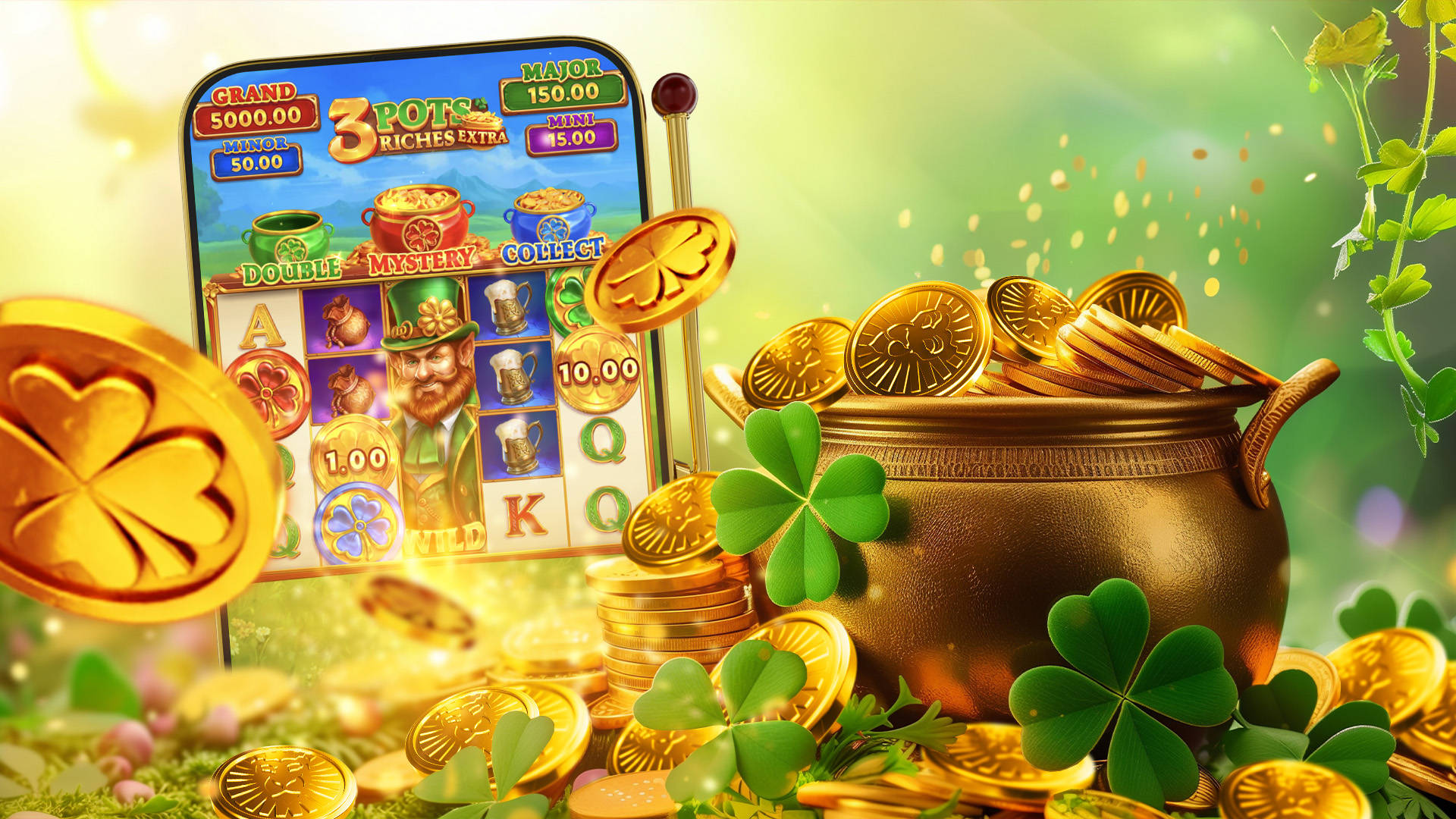
Beliefs surrounding luck vary widely across cultures, and luck is often symbolised by colours and objects. In Western traditions, for example, the four-leaf clover and horseshoe are seen as signs of fortune, while many Asian cultures associate the colour red with good outcomes and celebration.
Numbers also hold distinct meanings in different cultures, with eight considered auspicious in China and seven often viewed as favourable in Western settings. These symbols reflect how societies express hope and reassurance through shared ideas about chance and destiny.
Why Humans Are Drawn to Games of Chance
Chance appeals to something deeply instinctive, blending uncertainty with anticipation in a way that few experiences can match. The unpredictable nature of casino games activates both curiosity and tension, creating moments that feel intensely personal. Here is a look at the psychological processes that make these experiences so compelling.
The Brain’s Reward System
When participating in games of chance, the brain exhibits increased dopamine activity in response to anticipation, especially when the results are unpredictable. This reaction occurs both in the moments leading up to an outcome and during a win. Anticipation itself can feel motivating, keeping the player’s attention focused on what might happen next.
Near-misses elicit similar activation in reward regions, reinforcing the sense that success is within reach. This ongoing pattern of anticipation and partial reinforcement helps to explain why random outcomes can hold such a strong psychological appeal.
Risk and Reward: The Thrill Factor
The brain’s reward response lays the foundation for how risk feels while playing. When the outcomes are unpredictable, that same anticipation intensifies, producing a surge of arousal that players often describe as a rush. This reaction occurs because the possibility of a gain, however small, activates reward pathways that are linked to motivation and challenge.
The balance between danger and potential reward creates a psychological tension that many players find deeply engaging, making games of chance feel uniquely stimulating.
The Role of Random Reinforcement
The emotional charge created by risk is reinforced through unpredictable rewards. Intermittent wins actually have a stronger psychological pull than consistent ones. When outcomes occur without a clear pattern, every result has a way of feeling fresh and uncertain, maintaining engagement over time.
This form of reinforcement strengthens behaviour because the next win always seems like it is within the player’s reach, even after multiple losses. In casino environments, this unpredictability is what keeps attention fixed and motivation high.
How Casino Games Trigger Emotional Responses
Casino games are designed to stir emotion in addition to testing chance. Every turn of the wheel or deal of a card combines sensory cues with psychological triggers that heighten involvement. Here is a look at how these reactions form and why they exert such a significant influence over behaviour.
Near-Miss Effects
An outcome that falls just short of success often feels more motivating than a clear loss. Since the brain’s reward response also activates during moments of anticipation, near-wins build on that exact mechanism, producing a sensation in players that is similar to that of an actual victory.
The feeling of being close reinforces the belief that success is within reach, prompting continued play. In slot games or roulette, near-misses are deliberately structured to create the impression of progress and keep players’ attention focused on the next result.
Visuals, Sounds, and Sensory Design
Casino environments use sensory details to capture attention and sustain focus. Bright colours, rhythmic sounds, flashing symbols, and compelling animations all work together to heighten emotional engagement.
Every cue is carefully tuned to create a sense of motion and reward, from the flashing of lights on a win to the brief pause before a result is revealed. The influence of these sensory elements extends past appearance, guiding awareness and emotion while reinforcing attachment to the game.
Social and Competitive Motivation
Human interaction plays a crucial role in the experience of casino games. Multiplayer formats, live dealer tables, tournaments, and leaderboards introduce a social element to gameplay that blends competition with connection.
Seeing others succeed or make bold moves can heighten engagement, creating a shared atmosphere that extends beyond individual outcomes. This sense of participation reinforces involvement and adds a communal layer to what might otherwise be considered a solitary activity.
The Positive Side of Casino Psychology
Casino gaming is often viewed through the lens of the risk involved, but many participants engage with it for recreation or social interaction. When approached responsibly, this form of play can offer focus and mental stimulation that is comparable to other leisure activities. Here is a look at the constructive aspects of play, from skill-based strategy to emotional awareness and balance.
Recreation and Escapism
For many people, casino gaming offers a welcome respite from their daily routine, providing a space to unwind and disconnect from external pressures. The sense of immersion and interaction it creates provides them with a temporary shift in focus, where attention is on play rather than everyday concerns. This form of escapism can be relaxing and mentally refreshing when it is balanced with awareness and control.
Skill and Strategy Components
Although chance does play a significant role in determining many casino outcomes, several games incorporate measurable elements of skill. For example, blackjack and poker reward decision-making, pattern recognition, and an understanding of probability.
These factors empower players to influence results within the limits of random distribution. The blend of calculation and uncertainty adds depth, giving participants a sense of mastery that extends beyond simple luck.
Responsible Gaming and Emotional Awareness
Understanding emotional responses is an essential part of maintaining healthy playing habits. Recognising when tension or distraction begins to affect judgment can help players avoid making impulsive choices. Taking breaks and setting boundaries supports balance throughout gameplay.
Most licensed casinos offer practical measures to promote safer participation and help players stay in control. LeoVegas provides a range of responsible gaming tools to support this, and they are backed by resources such as LeoSafePlay.com to encourage reflection and help ensure gaming remains a controlled and mindful activity.
The Science of Responsible Play
Responsible play begins with understanding how the mind responds to risk. Every decision in a casino setting is influenced by the player’s perception and bias, both of which shape how outcomes are evaluated. Here is a look at the psychological patterns that influence decision-making and the tools designed to facilitate balanced gameplay.
Understanding Cognitive Biases
Human decision-making in games of chance is influenced by recurring mental shortcuts known as cognitive biases. Recognising these patterns helps players keep their expectations realistic and supports more rational play.
-
Gambler’s Fallacy: This is the belief that past outcomes affect future results, leading players to think a win is “due” after a losing streak.
-
Confirmation Bias: This refers to the tendency to notice evidence that supports personal beliefs while ignoring or downplaying anything that contradicts them.
-
Hot-hand Belief: This is the assumption that a series of wins indicates that players can expect continued success.
-
Illusion of Pattern Perception: This is the mind’s inclination to detect order in randomness, giving players a mistaken sense of predictability.
The Role of Self-Awareness
In casino psychology, self-awareness plays a different but complementary role to responsible gaming tools. This approach focuses on recognising how one’s thoughts and emotions interact with chance.
By understanding their personal reactions to outcomes and the uncertainty involved in casino luck, players can interpret their results more realistically and avoid patterns that lead to impulsive play. This mental clarity supports control and decision-making, helping individuals engage with games consciously rather than reactively.
Tools for Responsible Gaming
Responsible gaming systems are central to maintaining balance and accountability in modern casino environments. They give individuals the ability to stay in control and make informed choices while ensuring play is both measured and safe. By promoting awareness and self-regulation, these tools protect players as well as the wider integrity of the industry.
Licensed casino platforms provide a range of tools designed to help players manage their activity. These include:
-
Deposit Limits: Restrict how much can be added to an account within a chosen period.
-
Loss Limits: Cap the total amount that a player can lose before play is paused.
-
Session Timers: Track the duration of each session to prevent extended play.
-
Self-Assessment Tools: Allow players to review their behaviour and identify early signs of risk.
-
Support Options: Provide players with access to help services and responsible gaming resources.
LeoVegas integrates these features directly into its platform. Players can:
-
Set or adjust personal limits at any time
-
Review their activity through detailed player history
-
Receive time alerts that indicate how long they’ve been playing
-
Use the Pause Account feature to take breaks when needed
Additional support is available through LeoSafePlay.com, which offers educational material and connections to professional assistance, reinforcing LeoVegas’s dedication to encouraging responsible and sustainable play.
Why Luck Will Always Fascinate Us
Luck endures because it speaks to something universal: the very human desire to believe that chance can be understood or invited. No matter how much science reveals about probability, the emotional weight of a lucky moment still feels profound. In casino play, this balance between randomness and belief has maintained its appeal. Every outcome carries the possibility of surprise, and that uncertainty draws people back to the experience.
At its core, luck blends imagination with perception. This unique fusion makes the unpredictable feel personal and meaningful, turning probability into something that seems to mirror human intent. This connection between emotion and uncertainty ensures that luck will always hold a place in how we interpret risk and the lasting draw of chance.