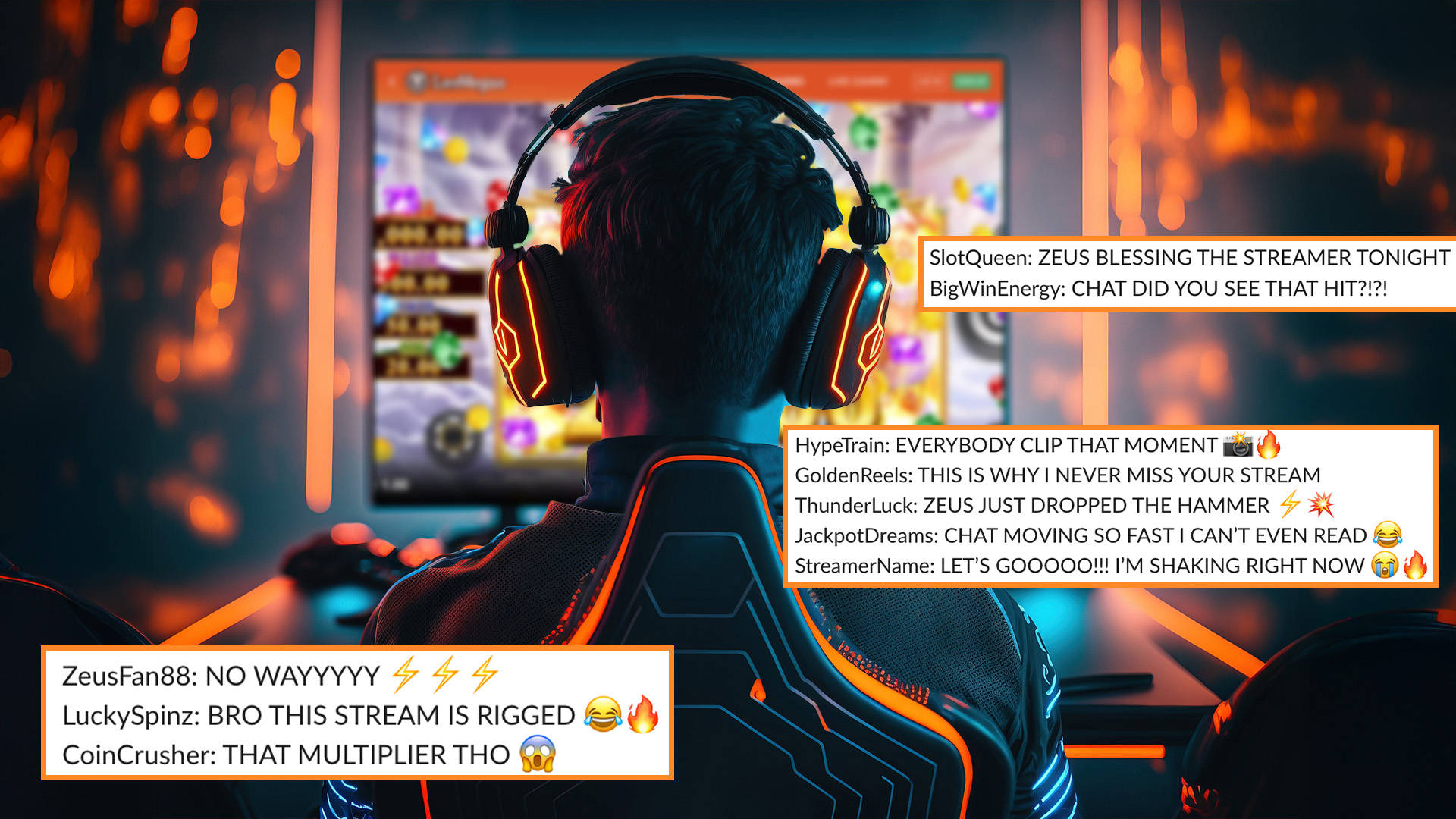
How Casino Streamers Are Changing Online Gaming
Casino streaming has grown from a niche pastime into a form of mainstream entertainment with millions of viewers. Twitch, YouTube, and Kick host thousands of live sessions where creators spin slots or play cards in real time, turning betting into a spectator sport. Fueled by creator deals and affiliates, online casino streaming has become a major business that shapes the ways players discover and try new games.
The impact on engagement is clear. According to Stream Hatchet, slots and poker streams on Twitch reached around 224 million hours watched in 2020, rising to roughly 352 million in 2021. In the first half of 2022, gambling streams had already logged 244 million hours, surpassing the full 2020 figure. Fans can follow wins and losses together in chat. Live broadcasts make play more social, recreating casino energy and building tight gaming communities.
The Rise of Casino Streaming
Casino streaming has grown rapidly, moving from small gaming corners to one of the most-watched live categories online. The mix of real play and personality-driven content has made it a standout form of interactive viewing.
From Video Games to Casino Streams
Live streaming began with video games but quickly expanded into real-money gambling. In the mid-2010s, Twitch gamers started to add betting to their content, wagering CS
By the late 2010s, these side segments became full-time casino channels. Today, slots remains one of the most-watched gambling categories on Twitch, while Kick, launched in 2022 by Stake’s co-founders, caters directly to this growing niche.
Why People Watch Casino Streams
Casino streams combine personality and community in a way few other online genres can match. Viewers tune in to observe major wins and dramatic losses.
Charismatic streamers turn gambling into a form of entertainment by mixing humour with commentary that keeps chats active. Their personalities and reactions often matter more than the bets themselves, making each session feel like a show.
A strong social element also drives interest. Global audiences celebrate wins together and share jokes through polls or giveaways that make them feel like they are part of the action.
Curiosity also plays a part. Watching large wagers and rare jackpots unfold can create real-time drama and viral moments. Some viewers even watch to learn the mechanics of the games, picking up tips and strategies from experienced streamers.
The Growth of Casino Streaming Communities
One reason casino streaming has exploded in popularity is the communities built around it. Traditional online gambling is often solitary, but live streams turn it into a shared experience. In chat rooms, viewers cheer for big wins, react to near misses, sympathise with losses, and create the buzz of a real casino floor in a way that is accessible to anyone, anywhere.
Streamers play a big role in building this connection. They host giveaways, contests, loyalty events, and live challenges, often sharing bonus codes or cash and crypto prizes funded by sponsors.
Many streamers also run Discord servers and host subscriber chats, inviting viewers to vote on which games they play. This creates genuine interaction and a stronger sense of community among viewers.
How Streamers Influence Player Behaviour
Casino streamers shape the ways in which audiences view online gambling using their authenticity and charm. Their influence guides what viewers watch and play across digital casinos.
Parasocial Relationships and Trust
Casino streamers influence audiences through parasocial bonds that create a sense of friendship and trust. Viewers spend hours watching and interacting with them, building a sense of familiarity that can feel personal. When a streamer praises a casino or game, fans often follow their lead and try it themselves.
Many of the most popular streamers take on the role of entertainers rather than traditional gamblers. Their ongoing interaction, often dotted with humorous anecdotes, makes streams feel more like social events than betting sessions. Regular viewers tune in as much for the streamer’s personality as they do for the games being played.
Showcasing Game Variety and Bonuses
Casino streamers introduce viewers to new titles by playing a mix of slots, card game formats, live tables, and game shows in real time. Viewers get a chance to see how each title works, similar to watching a walkthrough of a video game.
Game developers and casinos are now joining forces with streamers to launch titles and highlight bonuses. Early-access demos and walkthroughs of free spins or welcome offers help turn streams into live showcases. Some platforms, including Livespins (now integrated into Evolution’s network), let viewers place bets alongside streamers in real time, sharing the same outcomes during each spin.
The Technology Behind Casino Streaming
Casino streaming depends on reliable technology that enables real-time interaction between streamers and their viewers. As these platforms and tools improve, live broadcasts are becoming safer and higher in quality.
Live Streaming Platforms
Modern streaming technology has driven the growth of casino content online. Twitch and YouTube Live first gave gamers the tools to broadcast, and they eventually became popular with casino streamers. Twitch’s low-latency video and interactive chat made it ideal for live gambling sessions where viewers could react instantly. Kick followed with a more open approach to gambling content, marking a new stage in the popularity of casino streaming.
Today, all three platforms host large casino-streaming communities. Tools like OBS (Open Broadcaster Software) and faster internet connections enable HD broadcasts with minimal delay. Features such as interactive chat and loyalty points keep audiences engaged, turning casino streams into vibrant, community-driven broadcasts that are viewed by players around the world.
Responsible Streaming Practices
Casino streaming carries real risks, so responsible creators take measures to protect their viewers. They flag streams as 18+ and issue verbal reminders while moderating chats to keep underage users out. Some regions now require stricter age warnings and verification to enforce these limits.
Transparency is vital. Streamers are expected to clearly disclose any sponsorships or casino-funded play they are participating in, while regulators in places such as the UK and Brazil demand clear ad labelling and responsible gambling messages.
Ethical streamers lead by example, reminding viewers that gambling is a form of recreation, not income. Many promote safe habits and share helpline links while discussing losses openly. Platforms such as Twitch have also banned unlicensed casinos and referral links, further pushing for responsible standards across the industry.
Partnering with Licensed Casinos
Most streamers have sponsorships or affiliate deals with casino platforms, and working only with operators who are licensed by reputable agencies ensures fair play and consumer protection. Licensed casinos, regulated by bodies like the UK Gambling Commission or the Malta Gaming Authority, follow strict rules on transparency and responsible gambling.
Twitch reinforced this in 2022 by banning streams from unlicensed sites, pushing creators toward verified operators. Viewers are more likely to trust a streamer who plays on regulated platforms, knowing their data and money should be safer. Ethical streamers also use standard player accounts to show genuine results and avoid misleading viewers.
Streamers as Influencers in the Casino Industry
Casino streaming runs on fast, interactive platforms that connect creators with audiences in real time.
Sponsorships and Brand Deals
Streamers have become casino influencers, attracting huge audiences and major brand partnerships. Most of them work with casinos through sponsorships or affiliate links, featuring selected platforms during their streams.
These collaborations give casinos direct exposure to engaged viewers. Successful streamers such as Trainwreckstv and xQc have shown how one creator can drive significant traffic and brand recognition. This arrangement benefits both sides, with streamers gaining credibility and casinos receiving authentic promotion that resonates more than traditional advertising.
Transparency and Disclosure Rules
Responsible streaming has already become a core expectation, and sponsorship disclosure now carries similar weight. Streamers are required to label paid content with #ad tags or on-screen notices, ensuring viewers understand when gambling activity is sponsored. Platforms such as Twitch have reinforced this through tighter rules governing referral links and clearer labelling standards.
The Future of Casino Streaming
Casino streaming is entering a new phase shaped by advancing technology and tighter regulation. The focus is moving toward more social and immersive viewing.
Interactive Live Streams
Casino streaming is now becoming more participatory. Viewers already engage through polls and chat, and some platforms are letting them join streamers in real time by placing their own bets. Since tools like Livespins already support shared wagering sessions, future developments will likely refine interaction rather than introduce it.
Interactive overlays and chat-based features continue to grow. Viewers can make predictions or earn points while watching, and streamers can now invite fans to join through voice or video calls during key moments.
Virtual Reality and Immersive Experiences
As virtual reality (VR) tech continues to improve, streamers may soon be able to host sessions inside virtual casinos, moving through 3D environments and interacting with fans as avatars. Viewers could watch in 2D or join the same digital space for a shared, lifelike experience.
For audiences, the draw is immersion. VR could enable viewers to explore the casino floor and experience the action alongside the streamer, while augmented reality (AR) could add interactive overlays such as floating winnings or responsive graphics, creating richer visuals without full VR gear.
These innovations would merge gaming and streaming into a new kind of entertainment. Early versions may appear as premium or experimental content, but as costs drop and access grows, VR casino streaming could develop into the next major step in interactive online gambling.
Responsible Influence and Regulation
As casino streaming grows in capabilities and popularity, regulation is becoming more defined. Platforms are adding stricter safeguards, including disclaimers and age-verification tools, to protect younger viewers. Twitch has already restricted gambling content in several regions, and Kick recently introduced ID checks to verify viewers’ ages.
Governments are tightening oversight as well. In Germany, for example, influencer gambling ads were banned in 2024, while other jurisdictions are now reviewing similar restrictions or licensing requirements for gambling promotion. Cross-border regulation is also being discussed to better manage international broadcasts.
Kick and other platforms are expected to continue strengthening their moderation systems, while responsible streamers are voluntarily taking on a more active role in encouraging safe play. The ongoing goal is to keep casino streaming both transparent and compliant with evolving gambling laws.
The Entertainment Revolution of Casino Streaming
Casino streaming has redefined the ways people connect with online play. From live interaction to real-time commentary, this shift has turned passive viewing into active participation. Every stream now feels closer to shared recreation than observation, blending digital engagement with genuine connection.
With new technologies already reshaping how streams are produced and viewed, casino content continues to move toward greater immersion and interaction, marking the next big step in the progression of online gaming.
Casino Streaming and Trusted Platforms
As casino streaming continues to grow, choosing where to play becomes just as important as what to watch. Platforms like LeoVegas operate under recognised regulatory authorities and focus on fair play, transparency, and responsible gaming tools. For viewers inspired by streams who want to explore games themselves, playing on a licensed operator ensures proper oversight, player protection, and secure transactions.
LeoVegas offers a wide variety of slots, live casino games, and promotional offers, allowing players to experience the titles they see on streams within a regulated and secure environment. As streaming and online gaming evolve together, trusted platforms remain central to keeping the experience entertaining, transparent, and responsible.