Classic Slots














































































Classic Slots: A Timeless Favourite for Kiwi Gamblers
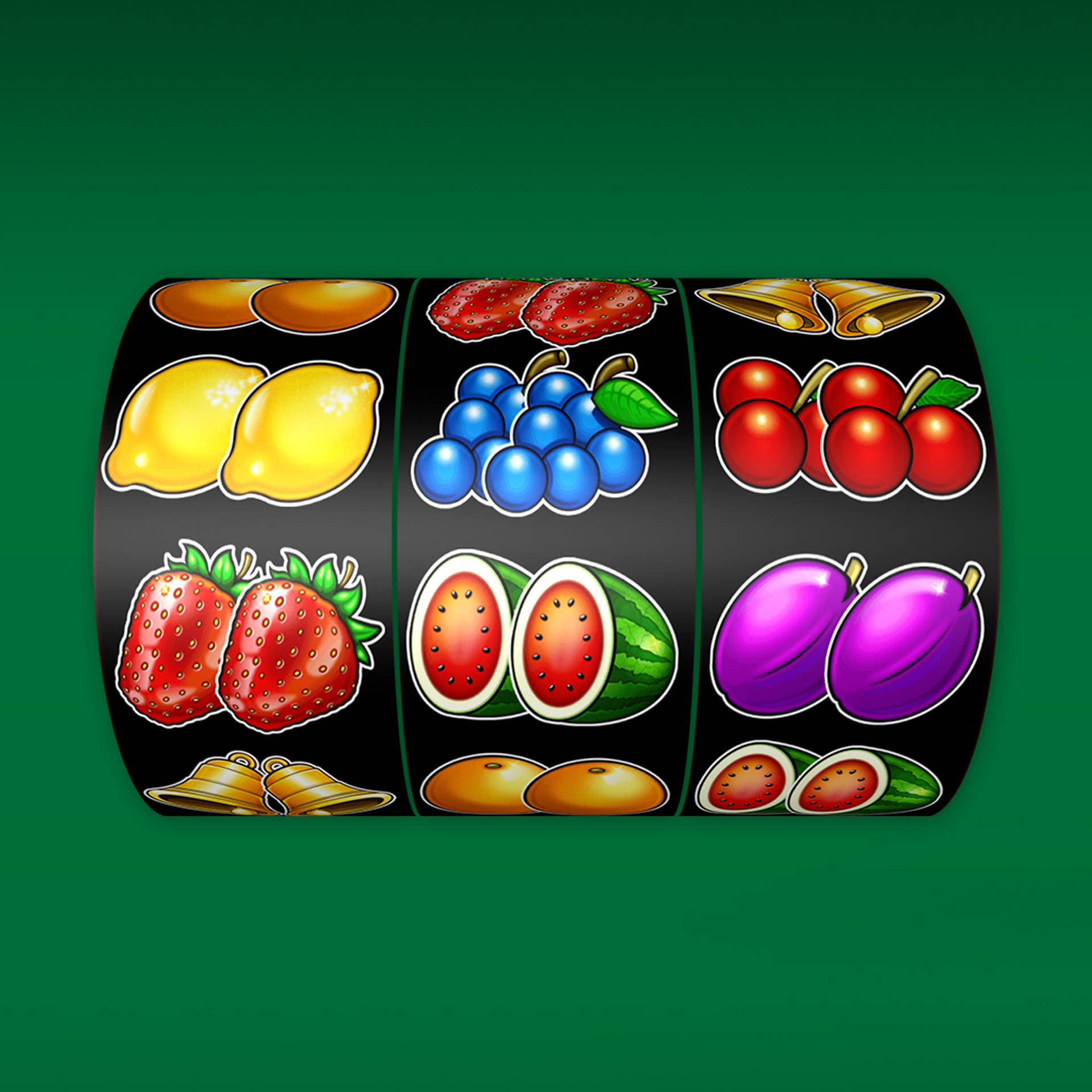
Classic slots are three-reel games that stick to the original slot machine blueprint. They echo early 20th-century cabinets with fruit, BARs, bells, and sevens. Most skip bonus rounds and complex mechanics in favour of quick, transparent results, though some modern takes add light touches to keep things fresh.
Digital versions mimic the cabinet look, complete with reel-spin sounds and, at times, a lever animation. Play centres on lining up symbols across a small set of paylines, with fixed returns listed in a clear paytable.
Unlike modern video slots that layer in animations and added features, classics keep the structure lean. In New Zealand, their appeal endures because each spin resolves without detours or shifting rules.
The History of Classic Slot Machines
Classic slots began as mechanical devices driven by gears and levers. Their shift to digital formats spans more than a century of gradual updates and design shifts.
Origins: From the Liberty Bell to One-Armed Bandits
The first widely recognised slot machine was built by Charles Fey in late 19th-century San Francisco. His Liberty Bell model used three mechanical reels and five symbols: spades, hearts, diamonds, horseshoes, and the bell. Landing three bells triggered the highest return.
As slot machines gained popularity, fruit symbols like cherries, lemons, and plums were introduced, along with the BAR icon, which came from the Bell-Fruit Gum Company logo. Early versions often awarded gum or mints instead of money to stay within legal boundaries.
By the 1930s, these machines had become common in bars and clubs. Their lever-controlled design and reputation for quickly draining coins earned them the nickname “one-armed bandits.”
Evolution Through the 20th Century
The mid-1900s saw major design changes. Electromechanical components replaced pure mechanics, allowing for faster play and more stable reel movement. Bally’s Money Honey, released in 1964, introduced the first fully electromechanical slot, complete with bottomless hoppers and automatic coin returns.
This period also marked the arrival of multiple paylines and slightly more varied reels, though the overall format remained simple and visual effects stayed minimal. Slot machines became casino staples, valued for their ease of use compared to table games.
Transition from Mechanical Reels to Digital Play
By the late 1980s and early 1990s, microprocessors entered the picture. Random number generators (RNGs) replaced physical reels, but the visuals still mimicked their mechanical predecessors. Cabinets began featuring video screens instead of spinning parts, though many retained the lever as a nostalgic touch.
When online casinos launched in the late ’90s, classic slots made the leap with them. Developers recreated three-reel games for desktop, and later for mobile, maintaining their visual identity while removing the need for physical machines. What started as a mechanical novelty in a workshop became a digital mainstay across thousands of online platforms.
Key Features of Classic Slots
Classic slots follow a stripped-back model built around mechanical simplicity. These are the core elements that shape how they play and feel.
Simple Three-Reel Format
Most classic slots run on a three-reel layout with vertical spin and horizontal alignment. The central row typically forms the main result line, though some titles include a few extra paylines. The structure consists of three columns spinning independently, a format that has remained essentially unchanged.
Traditional Symbols: Cherries, Bars, and Sevens
The symbol set in classic slots rarely strays far from its roots. Familiar icons like cherries, BARs, bells, and sevens still populate the reels, anchoring the format to its mechanical origins.
While exact values vary by title, these symbols typically follow a clear logic: three aligned matches produce fixed returns, with occasional alternatives for partial or mixed combinations, depending on the game’s setup.
Limited Paylines and Bonus Features
Classic slots typically include one to five paylines, most of them running horizontally across the reels. Some versions allow you to adjust how many lines are active before spinning, though the overall layout remains compact.
Bonus elements, if present, tend to be minimal. Extended features like second-screen rounds or respins are uncommon, keeping the focus firmly on the base mechanic of spinning reels and aligning symbols.
Focus on Nostalgia and Straightforward Gameplay
Classic slots retain much of their original presentation. Audio effects often echo the clicks and chimes of older cabinets, and the interface remains uncluttered.
Everything needed to play is right there from the start, with no tutorials or layered menus. The design favours function over flash, holding onto a format that’s barely changed in decades.
Types of Classic Slots
Classic slots follow a shared structure, but slight differences in layout and visual theme separate one type from another. This section looks at how those variations take shape.
Traditional Fruit Machines
Fruit machines represent one of the earliest forms of slot play, marked by their use of cherries, lemons, oranges, plums, and similar symbols. As established, these games typically feature a single central payline and minimal extras beyond basic reel alignment.
Bar and Bell Slots
This variation moves away from fruit and instead leans into bold, high-contrast visuals like stacked BARs, gold bells, lucky sevens, and occasionally stars or diamonds. The structure stays largely the same as their fruit-based counterparts.
These slots often adopt a slightly more polished aesthetic and may offer two or three paylines, but they maintain the core principles of classic slot mechanics.
Single Payline vs. Multi-Payline Classic Slots
Classic slots typically offer a fixed layout, but some versions let you choose how many paylines to activate. The most traditional format uses a single payline that runs straight through the centre, requiring all symbols to align on that line for a result.
Some games expand this to three or five lines, laid out horizontally or at slight angles. These extra lines add variety without changing the core mechanics. Outcomes are still determined by matching symbols along the active paylines.
How to Play Classic Slots
Below is how a typical round plays out, whether online or at a physical machine.
-
Pick a classic slot from the casino’s selection. On sites like LeoVegas, these are typically tagged under “Classic Slots,” while physical machines are usually grouped by type near main walkways
-
Review the paytable before spinning. This chart shows how symbols behave and what combinations lead to specific returns. It’s either displayed on the machine or accessible via an info button online
-
Set your stake and, if the option exists, choose how many paylines to activate. Adjustments are typically made using plus/minus buttons or touch-based sliders
-
Press the spin button to begin. Reels will spin briefly, then stop to reveal the result. Matches on active lines are automatically highlighted and settled
Classic Slots vs. Modern Slots
While both formats share a reel-based foundation, the differences between classic and modern slots are immediately noticeable once play begins.
Visual and Thematic Differences
Classic slots use bold visuals and static symbols, often styled after vintage cabinets. Animation is minimal, and themes usually stick to familiar motifs, i.e., fruit, bells, sevens, or diamonds.
Modern video slots take a more cinematic approach, incorporating animated sequences, audio-driven transitions, broad themes, and interfaces that evolve as the session progresses.
Gameplay Mechanics Comparison
Most classic slots follow a familiar reel setup with limited lines and immediate outcomes. Each round plays out on its own, with only minimal modifiers depending on the game.
By contrast, modern slots build on this base with layered sequences like bonus rounds and symbol swaps, introducing temporary rule changes that extend the length and variation of a typical session.
RTP and Volatility Differences
Classic slots typically operate on lower volatility, providing more frequent results in smaller amounts. This aligns with their shorter rounds and straightforward design. RTP rates vary but tend to sit within the typical range for simpler formats.
Modern slots often lean toward higher volatility, spacing out returns and focusing them around specific features or sequences. Their RTP can be similar, though the presence of added mechanics may shift how returns are distributed across play.
Advantages of Playing Classic Slots
Below are the advantages of classic slots that make them a lasting presence in both physical and online casinos.
-
Ease of Use for Beginners: Classic slots show all relevant information upfront and skip layered mechanics, making them accessible without prior experience
-
Faster, Simpler Gameplay: Rounds resolve in seconds with no delays or transitions, offering a steady pace that suits short or consistent sessions
-
Lower Betting Requirements: These games usually support low-stakes play without restricting access to any features, allowing full functionality at base levels
-
High Hit Frequency: Their design tends to favour frequent, smaller outcomes, creating steady results and consistent engagement
Disadvantages and Limitations
Classic slots offer a streamlined format, but that simplicity also sets clear boundaries, particularly when measured against more feature-rich alternatives.
-
Fewer Bonus Features: Classic slots usually skip bonus rounds and reel modifiers. Even when wilds or multipliers are included, they appear occasionally and don’t shift the main gameplay rhythm
-
Simpler Graphics and Audio: Visuals rely on static symbols and basic transitions, while audio often features repetitive cues and mechanical sounds. This retro styling may feel flat next to the layered designs of modern titles
-
Lower Jackpot Potential: Returns are typically capped by the base paytable. Without progressive jackpots or stacked bonuses, the highest potential outcomes stay modest, offering fewer spikes in result totals
Popular Classic Slots in New Zealand
Several classic-style slots have made a mark in New Zealand’s online casino space by keeping the traditional structure intact while adding selective modern features. These titles retain three-reel layouts but include visual or mechanical tweaks that help them stand out.
Fruit Duel
Developed by Hacksaw Gaming, Fruit Duel uses a traditional 3x3 layout with 17 paylines. Standard fruit symbols sit alongside DuelReels, a feature that can apply multipliers or wilds to full reels. The base setup stays intact, with additional elements introduced sparingly.
Ultra Joker
This slot Ultra Joker, from Stakelogic features classic visuals like plums, lemons, BARs, and jokers on a 3x3 grid with 5 fixed lines. It includes a Joker Multiplier and a Win Repeater mechanic that activates when all positions show matching symbols, though the core rhythm remains the same.
Cash Strike
Cash Strike, from Blueprint Gaming, offers a retro presentation with neon visuals and a 3x3 format. The game includes 10 fixed paylines and mixes standard fruit symbols with golden bells and sevens. Features like Cash Collect and the Gold Strike bonus round introduce secondary elements while preserving the underlying three-reel structure.
Mobile Experience for Classic Slots
Classic slots run smoothly on iOS devices. Their three-reel format snugly fits smaller screens, and controls are typically arranged for easy tapping. Most games launch through a mobile browser or casino app, with no extra downloads needed.
Because the graphics and inputs are minimal, titles load quickly and work well on older phones or tablets. Key buttons are positioned within reach, and the display remains clear in both portrait and landscape modes. The gameplay stays the same regardless of device.
FAQs
Can I play classic slots for free in New Zealand?
Yes, many online casinos, including LeoVegas, offer demo versions of classic slots that can be played without real-money bets. These allow you to test the mechanics, although features like jackpots or bonus triggers may be inactive in demo mode.
What’s the difference between fruit machines and classic slots?
Fruit machines are a type of classic slot that features symbols like cherries, lemons, plums, and oranges. While all fruit machines fit within the classic slot category, not every classic slot uses a fruit theme. Others may centre around bars, bells, sevens, or stars instead.
Are classic slots better for beginners?
Classic slots use straightforward mechanics and minimal features, which can make them easier to follow for those unfamiliar with modern slot formats. Each round plays out clearly, without extended sequences or layered functions.
Do classic slots offer progressive jackpots?
Progressive jackpots are uncommon in classic slots. Most stick to fixed returns without layered prize systems. In cases where a progressive element is present, it’s typically linked to a specific symbol combination and may require a higher stake to qualify.
Can I use bonuses to play classic slots?
This depends on the casino and the terms of the specific promotion. Some offers include classic slots among their eligible games, while others limit usage to selected titles. At LeoVegas, for example, most classic slots are eligible, though some titles like Classic Fruits may be excluded. Always review the bonus conditions before playing.
Can I play classic slots on my phone in NZ?
Yes. Classic slots are available on iOS, either through mobile browsers or casino apps. Their layouts are well-suited to smaller screens, with most games running smoothly across devices.