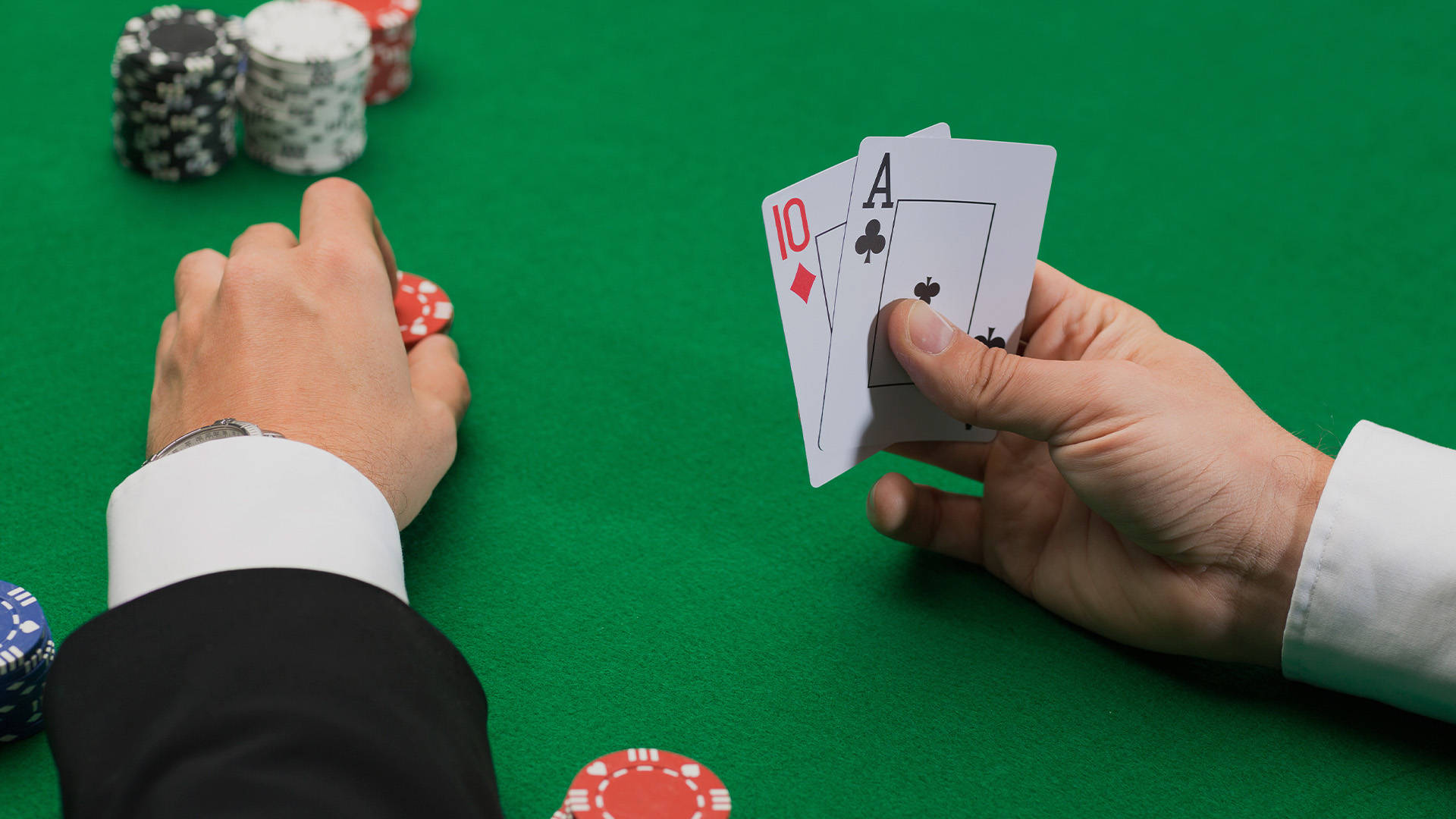
How to Deal in Blackjack: Everything You Need to Consider
At LeoVegas, we break down how professional blackjack dealing works so you can follow a clean, consistent routine, whether you’re running a home game or curious about how our live casino dealers operate.
This guide gets straight to the point: what a dealer actually does, how to set the table, how to manage the shoe and the burn card, how to control the pace, and how to settle payouts accurately every time.
What Is The Role Of The Blackjack Dealer?
If you’re learning how to deal in blackjack, think of the dealer as the game’s engine: you set the pace, keep the action fair, and make sure every hand is resolved cleanly.
At LeoVegas, we describe the role in five parts:
- Host: Welcome players, state house rules (decks, dealer on soft 17, side bets), and set a calm, friendly tone.
- Referee: Prompt actions in order, confirm decisions with clear signals, and enforce rules impartially, no coaching or hints.
- Banker: Check table limits, collect losing bets first, pay winners correctly, and handle chips visibly and neatly.
- Timekeeper: Keep a steady pace, give consistent decision windows, and minimise dead time between rounds.
- Safeguard: Protect integrity with clean shuffles, proper cut/burn use, visible hands, and timely escalation of irregularities.
Learning The Basics
A dealer’s foundation is a complete grasp of the rules, since every prompt and payout flows from them. Blackjack compares each player’s total to the dealer’s, with players acting first, so you should know exactly how your house handles soft 17, surrender, insurance, even money, and blackjack payouts. It is also essential to confirm whether you are running a hole-card game, where the dealer takes a down card immediately, or a no-hole-card game, where the second dealer card is drawn after player actions, because this changes the order of checks and resolutions.
Clarity around the table layout keeps your movement efficient and visible. The standard semicircle places each betting box in front of a seat for the main wager, with many felts also showing a smaller circle for side bets and a clearly marked insurance line that only matters when you show an Ace.
Your chip tray sits centrally for clean bankroll control, the shoe is positioned to one side within easy reach, and the discard tray occupies the opposite side. Printed rules and table limits on the felt support quick reminders, while player order always runs from your left to your right, first base to third base.
Confidence with the equipment turns routine into rhythm. Multiple 52-card decks are commonly combined into a six or eight-deck shoe to lengthen dealing cycles and protect integrity, and you should verify faces and backs before opening, remove any damaged cards, and square the decks neatly. The cut card sets the penetration point for the shoe; when it appears during a deal, you complete that round and then shuffle.
After a fresh shuffle, many houses require a single burn card placed face down to reduce predictability, and you should follow that policy consistently.
Consistent handling of the shoe and discard tray ties these basics together. Cards should be drawn in one smooth, repeatable motion that avoids flashing edges to players, then completed hands should be placed in the discard tray face up in tidy packets so supervisors or surveillance can reconstruct action if needed. By keeping both areas orderly and your hands visible at all times, you make security second nature, which in turn makes pace and payouts much easier to manage.
Core Responsibilities as a Blackjack Dealer
Running a blackjack table means owning three things above all: pace, accuracy, and integrity. From our side of the felt, those pillars keep the experience smooth for players and sustainable for the house, and they give you a repeatable routine you can trust under pressure.
Game Pace
A steady rhythm lets more hands be played without rushing anyone. You set that rhythm with consistent prompts in seat order, clear decision windows, and tidy movements that avoid dead time. Announce the action you are offering, confirm the player’s choice with a visible hand signal, and move on without looping back.
Conversation can stay friendly, yet your hands should never be idle: while one player decides, you can square the previous hand’s cards in the discard tray, align chips in the betting boxes for fast resolution, and prepare the next prompt.
Pace also depends on preparation, so keep the shoe, discard tray, and chip stacks neat to reduce micro-delays that accumulate across a session.
Accuracy In Dealing Cards And Determining Outcomes
Precision begins with a consistent deal that never flashes card values and never varies in motion. Cards should be delivered the same way every time, face orientation aligned, and totals tracked aloud when appropriate, so players hear the state of each hand.
Accuracy also means reading soft values correctly, distinguishing soft and hard totals, and resolving in a fixed sequence that prevents overpaying or missing a collect.
The routine is simple: confirm player outcomes first, then resolve the dealer hand, then pay or take in order from first base to third base, handling pushes last, where that is your house standard.
Blackjacks, insurance, and even money require particular care, so state what you see before you pay. Chip handling is part of accuracy as well; build payouts from standard stacks, keep denominations visible, and place winning stacks neatly inside the box so players can count at a glance.
Ensuring Security And Fairness
Game integrity is everyone’s confidence that the cards are random, procedures are visible, and money is handled correctly. Your hands should remain in view, with clean transitions between the shoe, the layout, and the discard tray.
Use the burn card and cut card as required by house policy, keep discards squared in reconstructable packets, and call a supervisor as soon as anything irregular appears, such as an exposed card, a bet that changes after the first card is out, or a disputed decision.
Fairness also means enforcing table rules consistently, including how and when players may touch cards in hand-held games, how side bets are placed, and when insurance can be offered.
Neutral language helps here: describe what you are doing and why, avoid advice, and rely on posted rules when questions arise. When accuracy, visibility, and consistent procedure are non-negotiable, players feel safe, the game flows, and disputes become rare.
Pre-Game Procedures for a Blackjack Dealer
A clean pre-game routine sets the tone for everything that follows. Players see a tidy table, consistent movements, and clear handover points, while you lock in randomness, visibility, and pace before the first wager hits the felt.
- The Wash Or Scramble: A full face-down spread begins the wash, with a wide, low mix that rotates and interleaves cards while both hands remain visible. Avoid lifting cards, scan backs for marks, then gather into squared packets ready for the shuffle.
- The Shuffle: A standard casino sequence uses riffle, strip, riffle, kept low to the felt with corners covered to prevent flashes. When a shuffling machine is in use, present and load the decks correctly and keep your hands visible until the cycle completes. Finish with a tight, squared stack.
- Squaring The Deck And Presenting The Cut: Clean edges and corners signal control; present the cut card to the designated player, accept the insertion, and complete the cut by moving the upper portion beneath. Set the cut card at the approved penetration to mark the stop point and announce each step so the table follows along.
- Adding The Cards To The Shoe: The squared pack loads face down into the shoe, front edge flush to the lip for smooth, consistent draws. Apply the posted burn policy, typically one face-down card from a fresh shoe, without exposing it unless required. A quick scan of the chip tray, felt, limits, and discard tray closes the checklist, and the table is ready for wagers.
Dealing During a Game
Invite bets and check they’re within limits and cleanly inside each box, then close with a flat-hand sweep and a clear "No more bets". Deal in seat order with uniform motion and covered edges.
Apply your house format for dealer cards, noting that hole-card and no-hole-card procedures were set in Basics.
When your upcard allows a check for blackjack, follow the policy before player actions, and resolve insurance or even money accordingly. Manage player decisions from first base to third with visible confirmations: hits and stands by signal, one-card doubles after the added wager, splits one hand at a time, and surrenders only if offered.
On the dealer's turn, expose the down card if present, announce totals as you draw, and stop per the soft-17 rule.
Resolve in order; collect losses, pay winners accurately from standard stacks, then handle pushes, keeping denominations visible and paid stacks neatly inside the box before you square discards and ready the next round.